BUILDING HEAL SECURITY’S PATTERN LIBRARY FROM THE GROUND UP.
Introduction
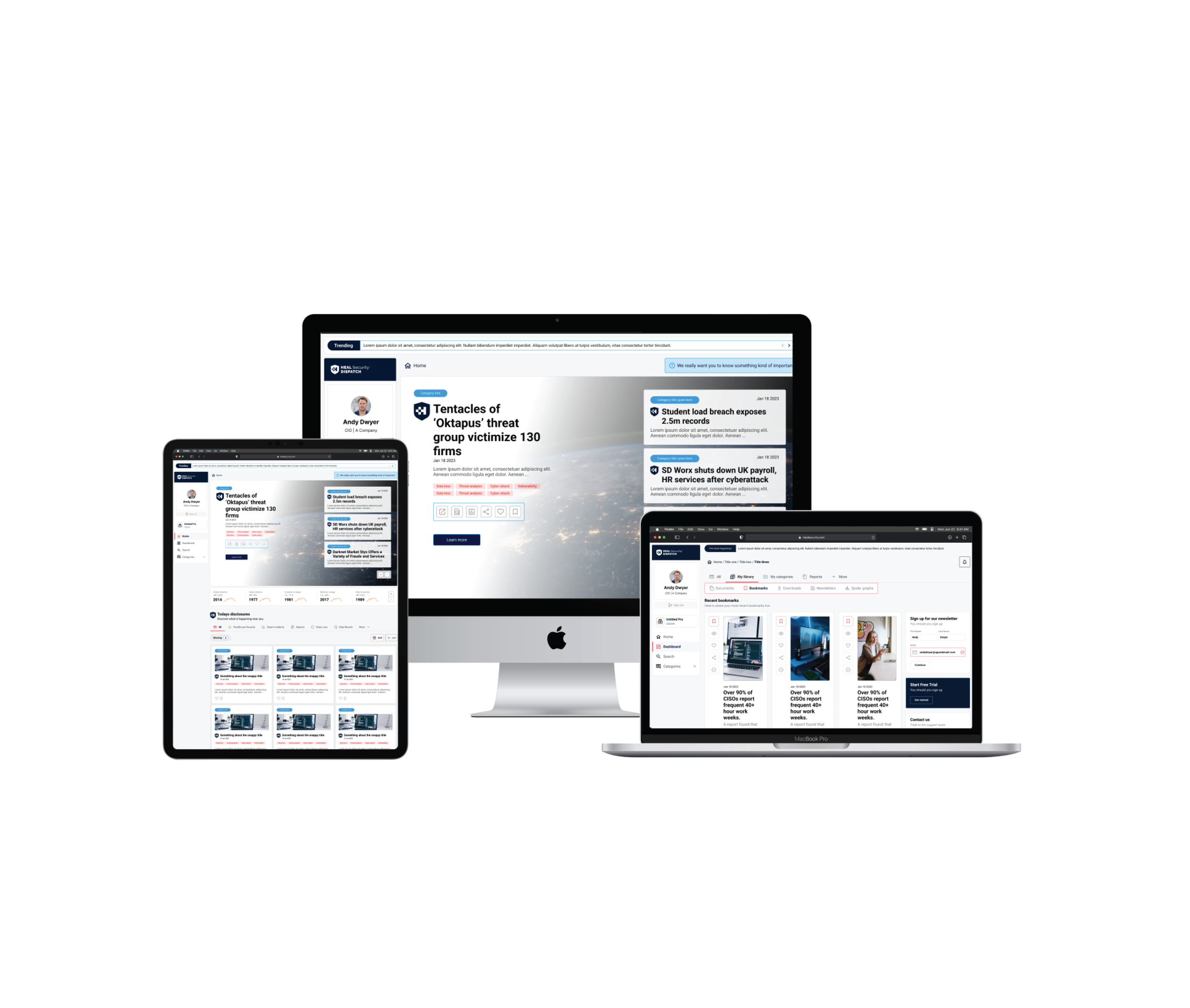
Heal Security is an AI-driven threat intelligence platform focused exclusively on the healthcare ecosystem. At its core, the company aggregates, analyzes, and contextualizes massive volumes of cybersecurity data — from dark web activity to ransomware indicators to breach signals — and translates that intelligence into actionable insights for health systems, insurers, and providers.
Unlike generalized security platforms, Heal Security is purpose-built for the healthcare industry. Its AI models identify patterns specific to healthcare vulnerabilities, vendor exposure, third-party risk, and emerging threats targeting hospitals and provider networks. The platform serves enterprise security teams who need clarity, speed, and trust in moments where risk is high and time is limited.
When I joined Heal Security, the product had strong technical depth and meaningful market traction — but the interface layer had evolved rapidly in startup mode. As feature velocity increased and enterprise expectations grew, UI inconsistency and duplicated patterns began creating friction across design and engineering.
I was brought in to establish a scalable pattern library that would:
Create a single source of truth across product teams
Reduce engineering rework and UI debt
Increase delivery speed under startup pressure
Elevate the overall polish required for enterprise buyers
The goal wasn’t cosmetic. It was operational.
By creating a foundational pattern library aligned to business outcomes, I helped transform the product from a collection of fast-built features into a cohesive, scalable platform designed to support both rapid innovation and long-term growth.
Overview
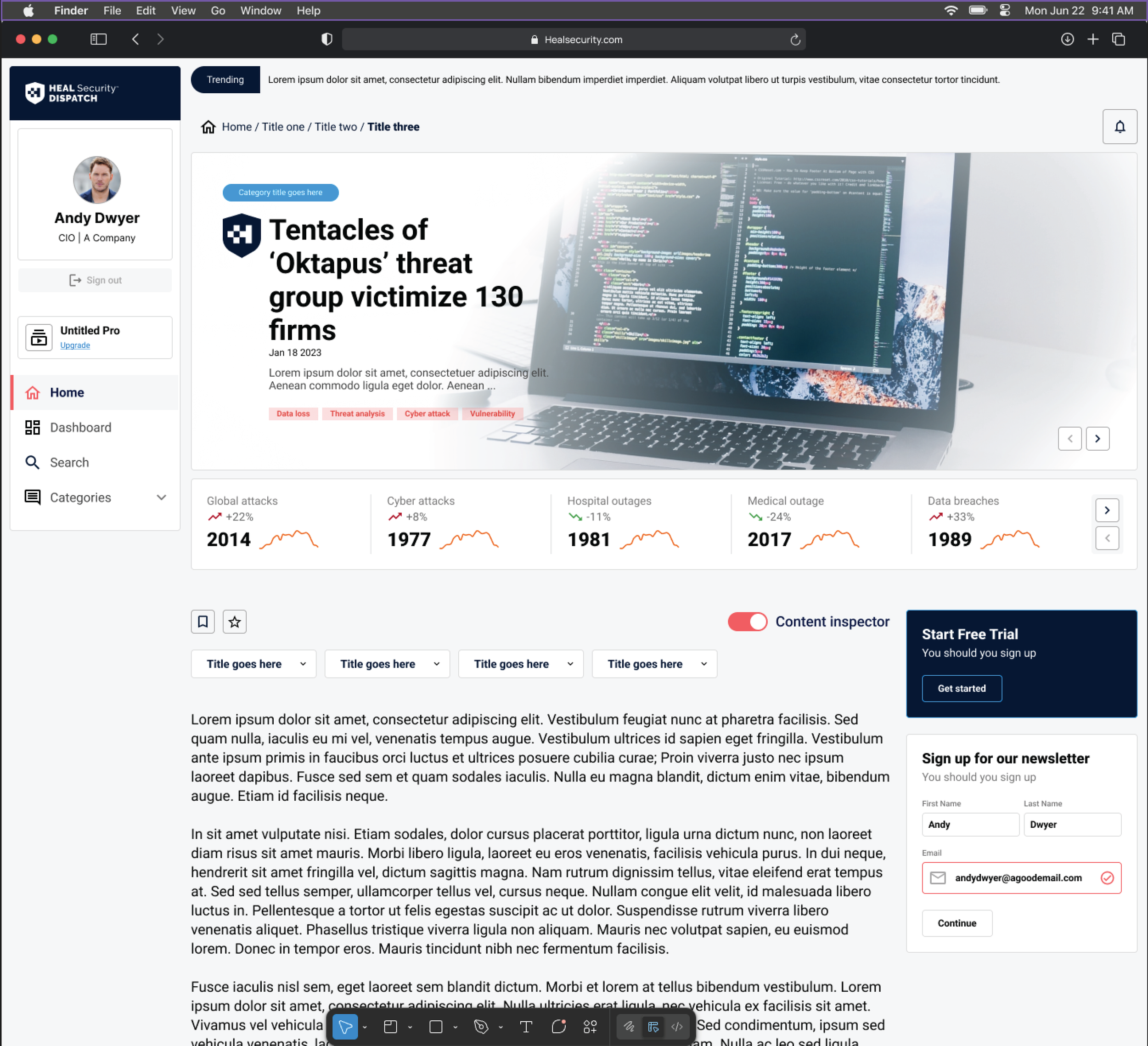
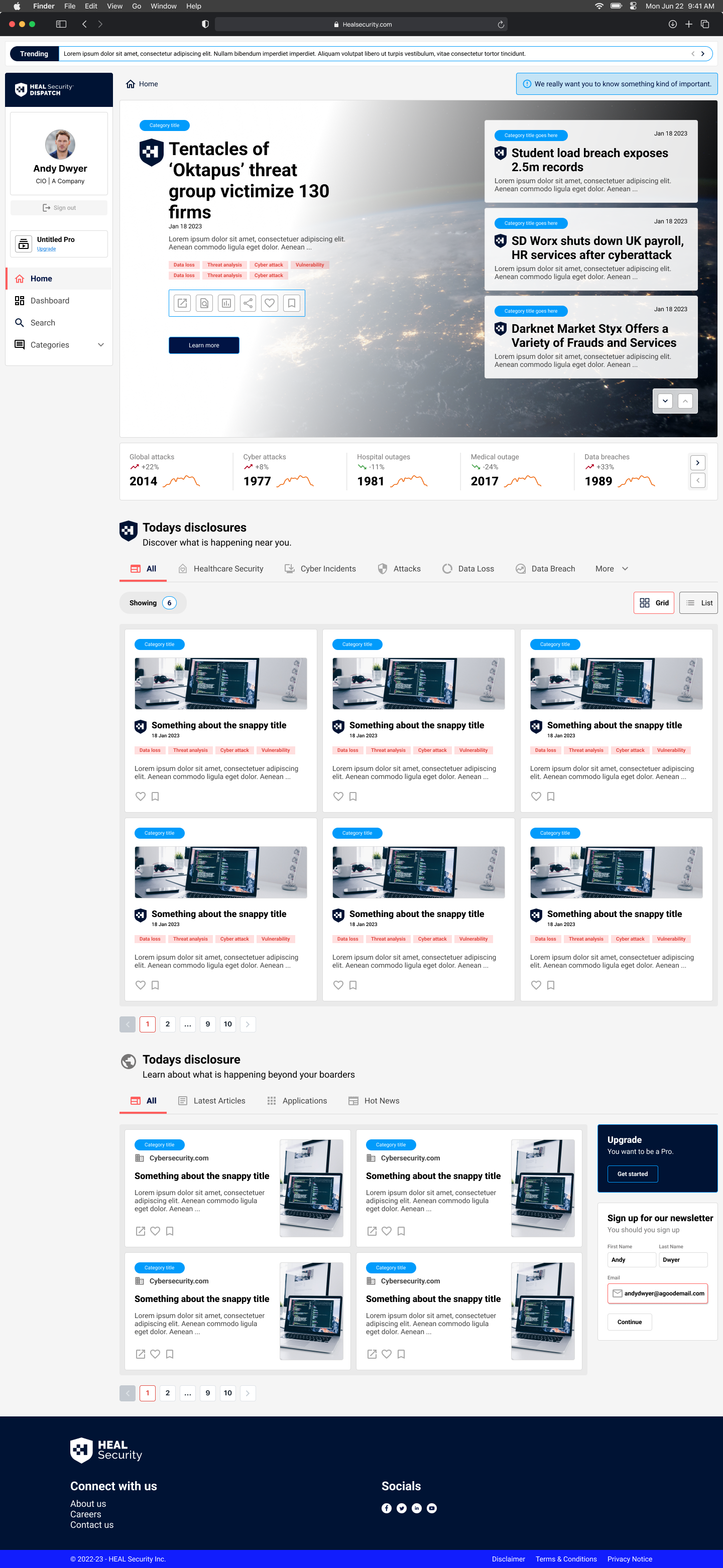
When I joined Heal Security, the product and engineering teams were moving fast. But visually and structurally, the experience wasn’t. UI inconsistencies were compounding, design decisions were living in Slack threads, and velocity was being quietly taxed by rework.
We didn’t need a “UI refresh.”We needed a foundational pattern library — built quickly, adopted widely, and designed to scale.
This is the story of how we created Heal Security’s pattern library from scratch under a tight timeline, the pain points we encountered, and the measurable impact it delivered.
The Challenge
Heal Security wasn’t a mature enterprise with layers of process.
It was a startup.
That meant:
Aggressive shipping cadence
Lean teams wearing multiple hats
Limited documentation
High ambiguity
Constant roadmap shifts
In a startup, speed is oxygen. But speed without structure creates hidden friction.
No Shared Source of Truth
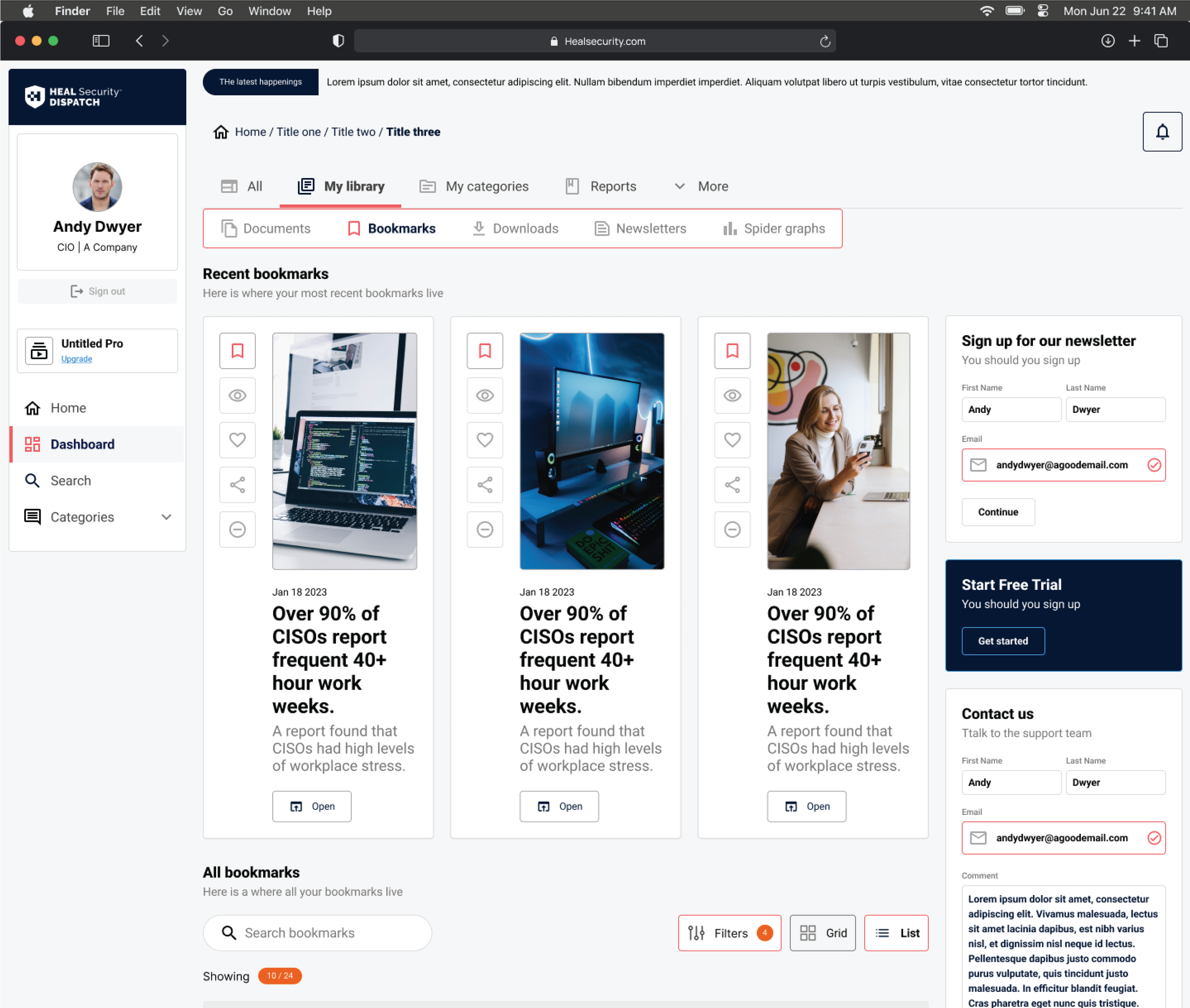
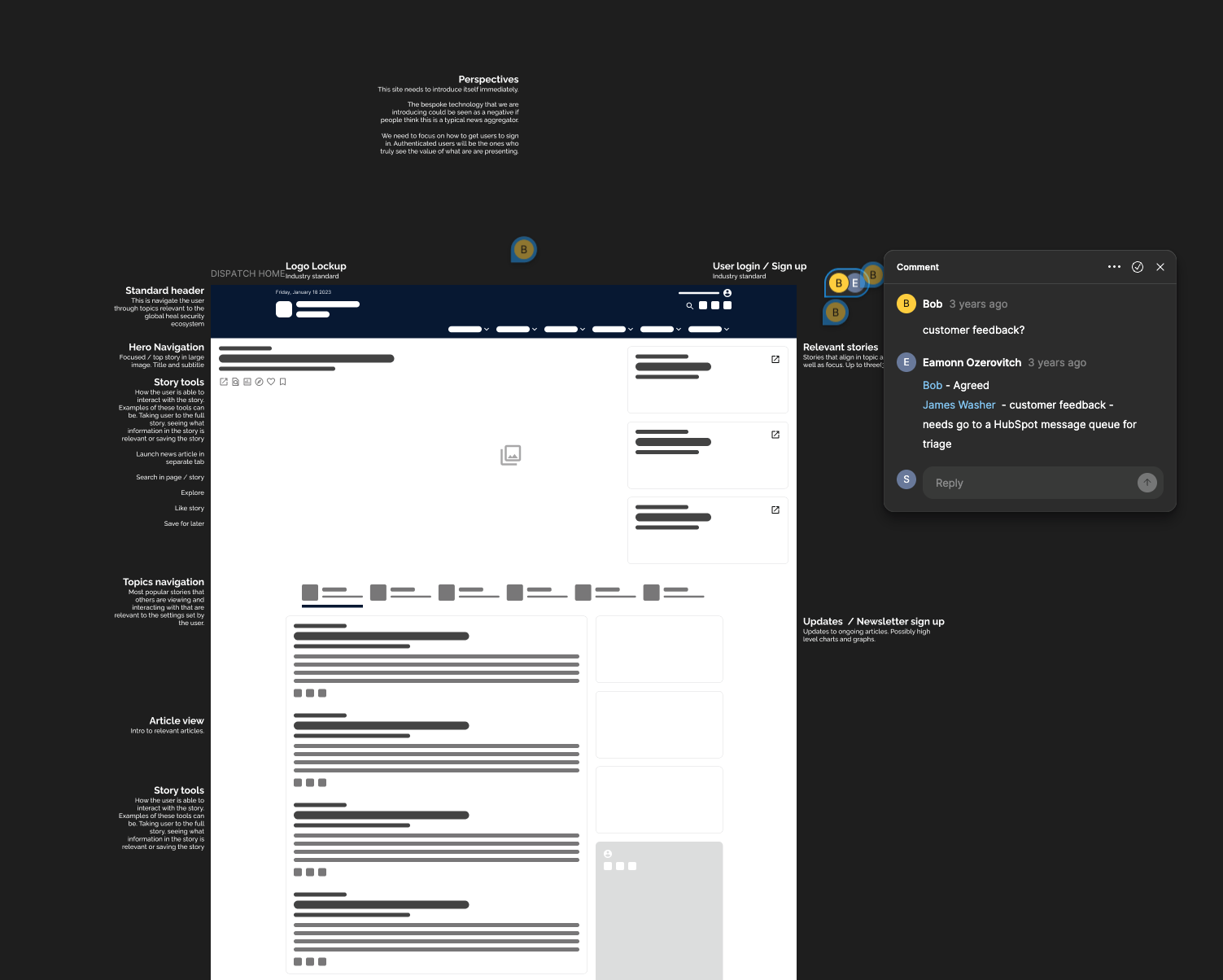
Design files were fragmented. Components were recreated across screens. Engineering implemented similar UI elements in different ways depending on who built them.
In a startup, that kind of inconsistency compounds quickly because:
There aren’t dedicated system owners yet.
Short-term feature wins take priority over long-term coherence.
Foundational decisions are made under pressure.
Result:
Inconsistent UX
Slower engineering velocity
Increased QA cycles
Design debt multiplying with each sprint
Tight Timeline with Growth Pressure
Heal was preparing for growth initiatives that required:
Faster feature delivery
Stronger product polish for enterprise buyers
Investor-facing demos that felt cohesive
A product that could scale without collapsing under its own UI debt
There wasn’t time for a year-long design system initiative.
We needed a usable V1 in weeks — not quarters.
In a startup, you don’t get the luxury of “pause and rebuild.”
You build the runway while the plane is taking off.
Cross-Functional Misalignment
In early-stage companies, roles blur. That’s a strength — but also a challenge.
Design, product, and engineering each had slightly different definitions of:
“Consistent”
“Accessible”
“Done”
“Good enough”
A pattern library wouldn’t succeed unless it was co-owned and practical — not theoretical.
The Approach
Rather than treating this as “a design initiative,” I partnered directly with executive leadership to define a clear, pragmatic 3-step plan.
The key was alignment at the top first.
We framed the pattern library not as a design artifact, but as a velocity multiplier and risk reducer.
Step 1:
Align on Outcomes Not Components
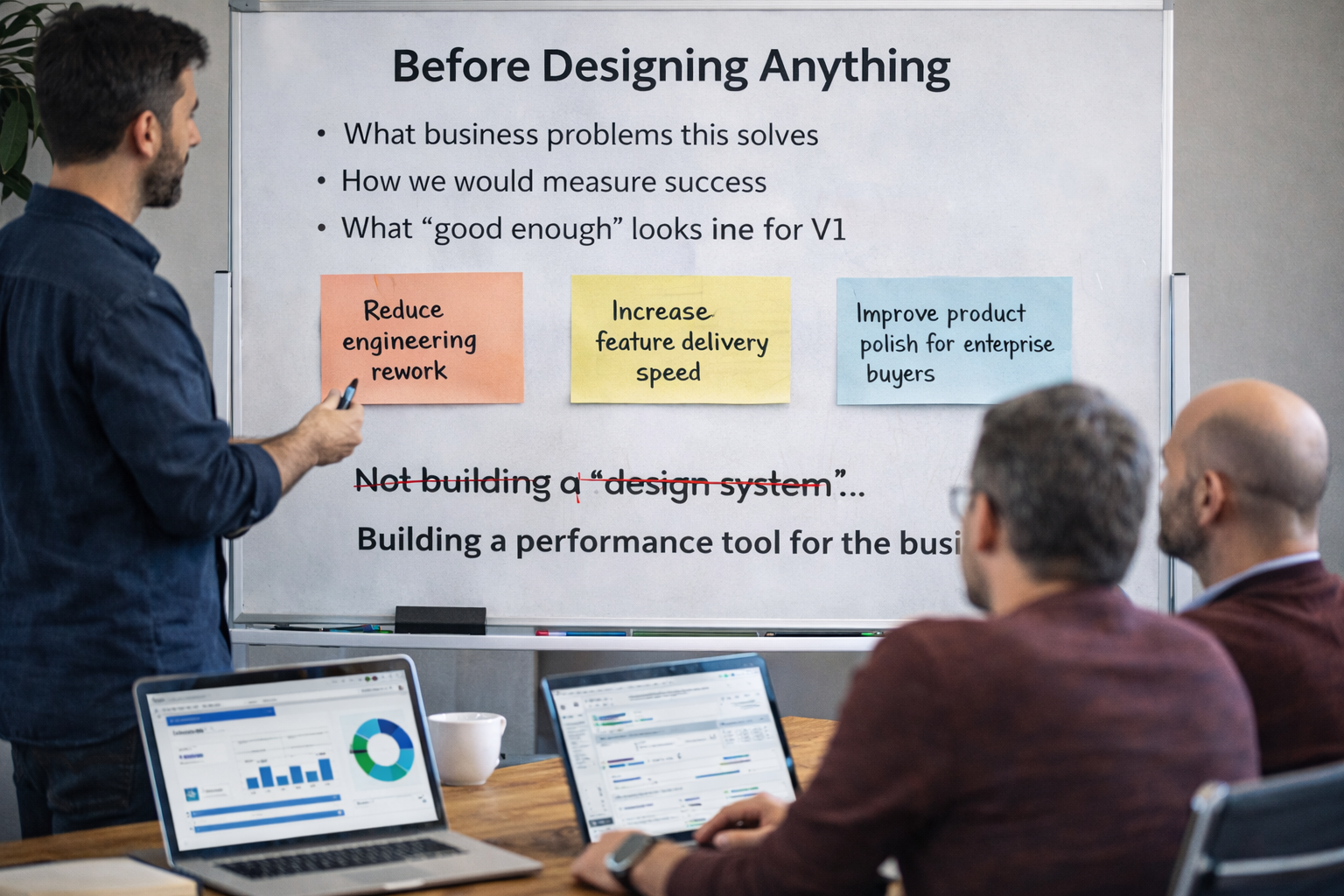
Before designing anything, I worked with leadership to define:
What business problems this solves
How we would measure success
What “good enough” looks like for V1
We agreed on three measurable outcomes:
Reduce engineering rework
Increase feature delivery speed
Improve product polish for enterprise buyers
This prevented scope creep.
We were not building a “perfect design system.”
We were building a performance tool for the business.
This step created executive sponsorship and protected time for foundational work — critical in a startup where roadmap pressure is constant.
Step 2:
Define the Minimum Viable System
Phase A — Foundations
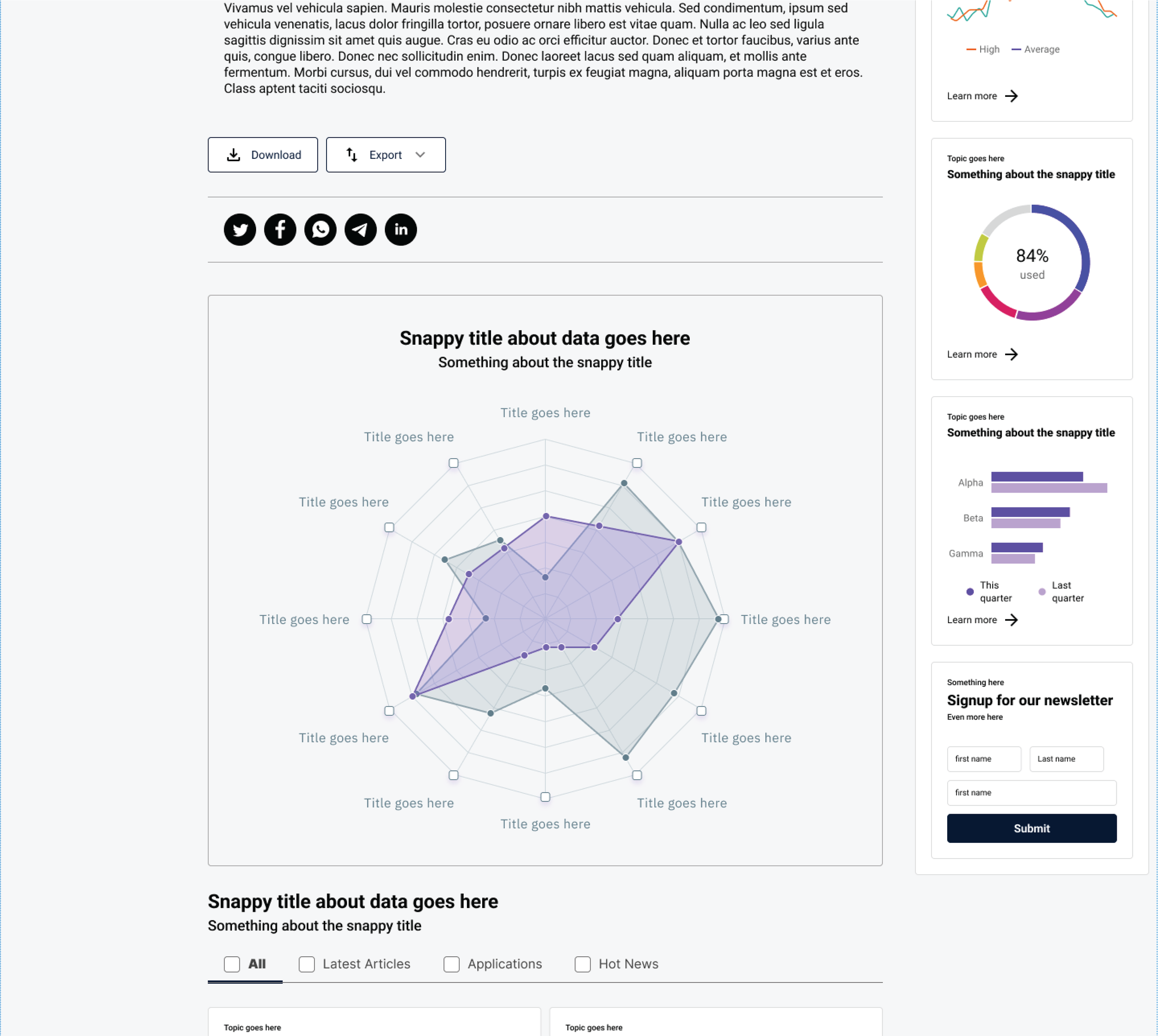
Color tokens
Typography scale
Spacing system
Elevation standards
Phase B — Core Components
Buttons
Inputs
Dropdowns
Modals
Tables
Alerts
Status indicators
Phase C — Composite Patterns
Data table layouts
Filter panels
Pagination
Empty states
Form flows
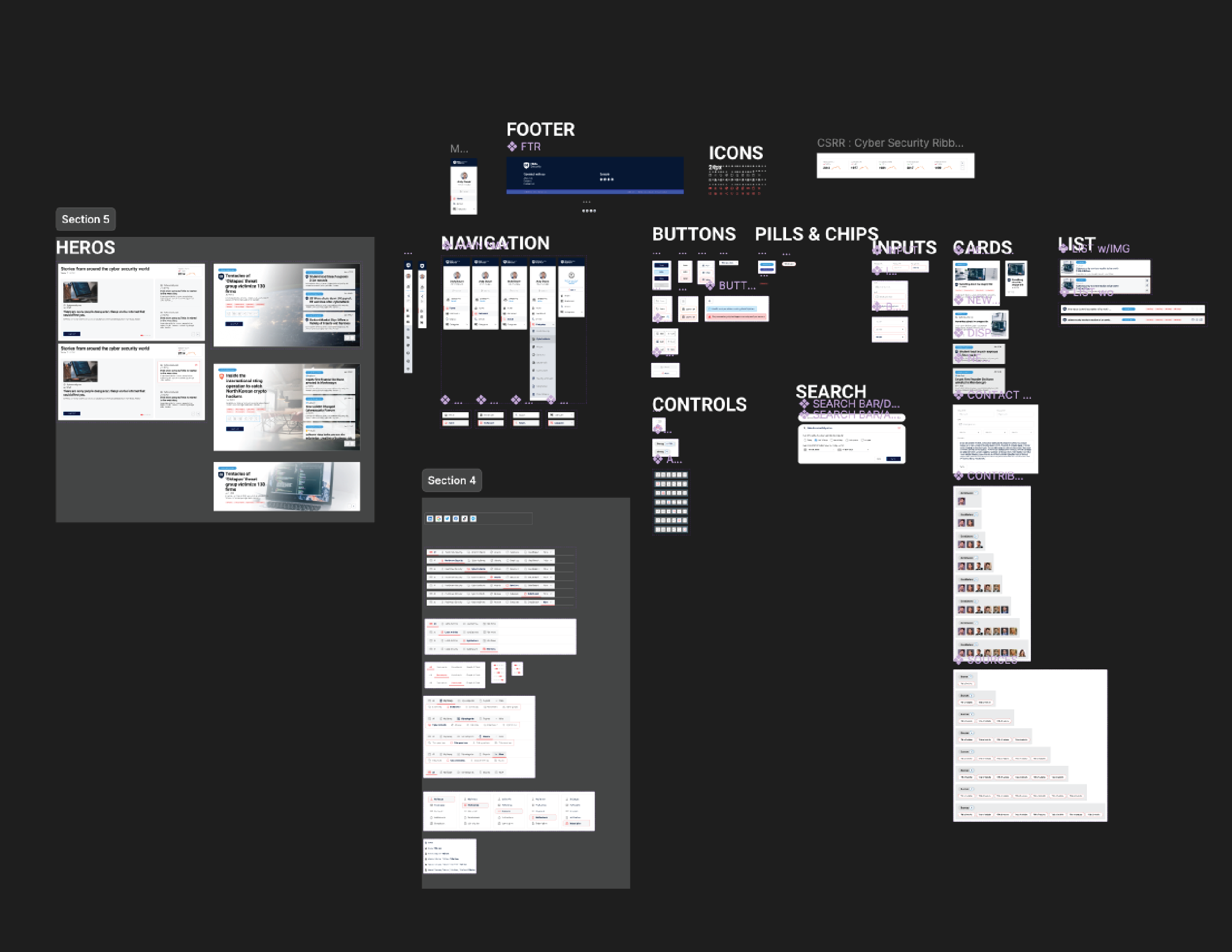
We prioritized based on usage frequency &
engineering duplication. That shift kept us disciplined. Leadership appreciated that this was iterative and impact driven & not open ended.
Step 3:
Integrate Into Active Delivery
The third step was the most critical.
Rather than pausing roadmap work, we embedded the pattern library into live feature development.
This required:
Partnering with engineering leads sprint-by-sprint
Converting legacy UI when features were touched
Documenting patterns as they shipped
Running quick feedback loops with developers
This step reduced risk dramatically.
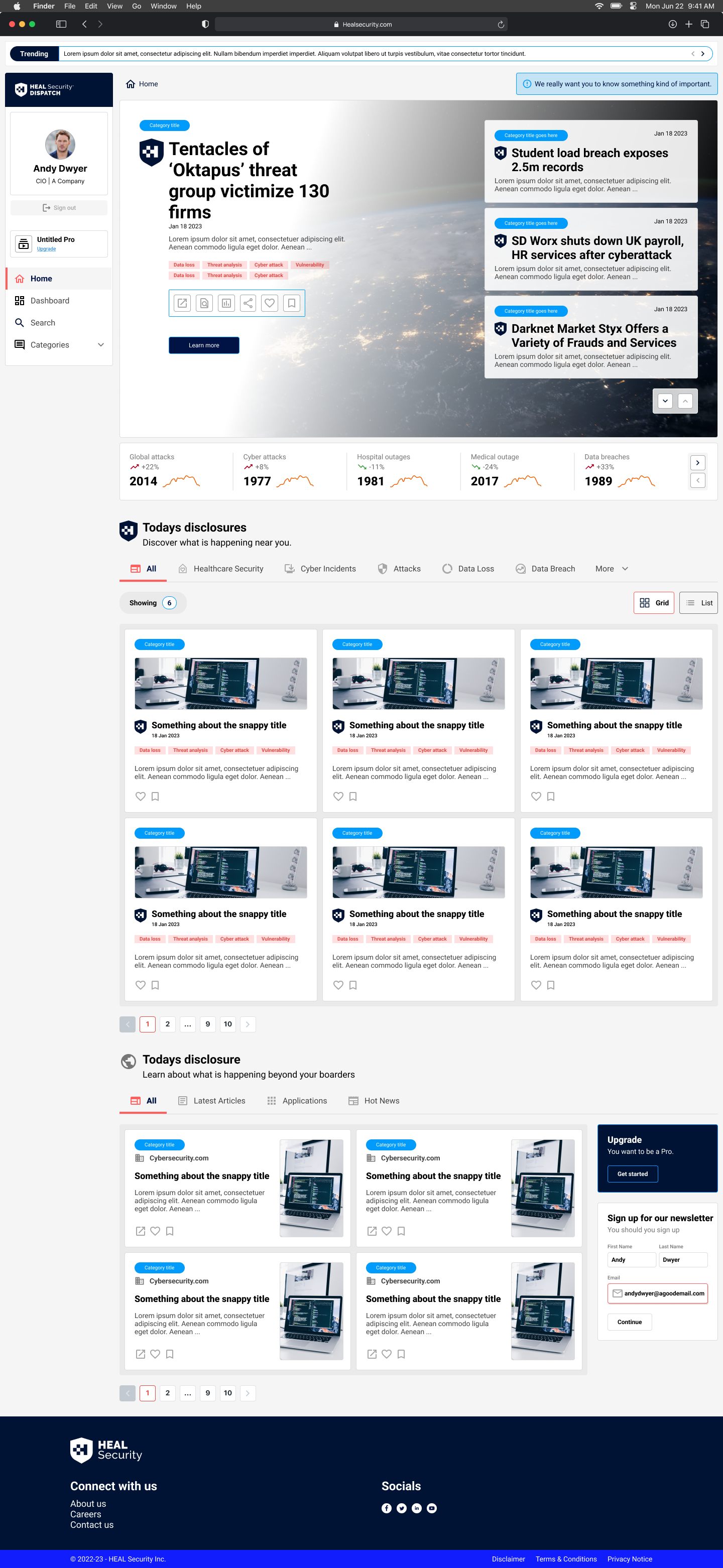
Instead of a large system launch with adoption uncertainty, we built credibility incrementally. By the time we formalized the library, it was already in production across multiple workflows.
Why Leadership Alignment Mattered
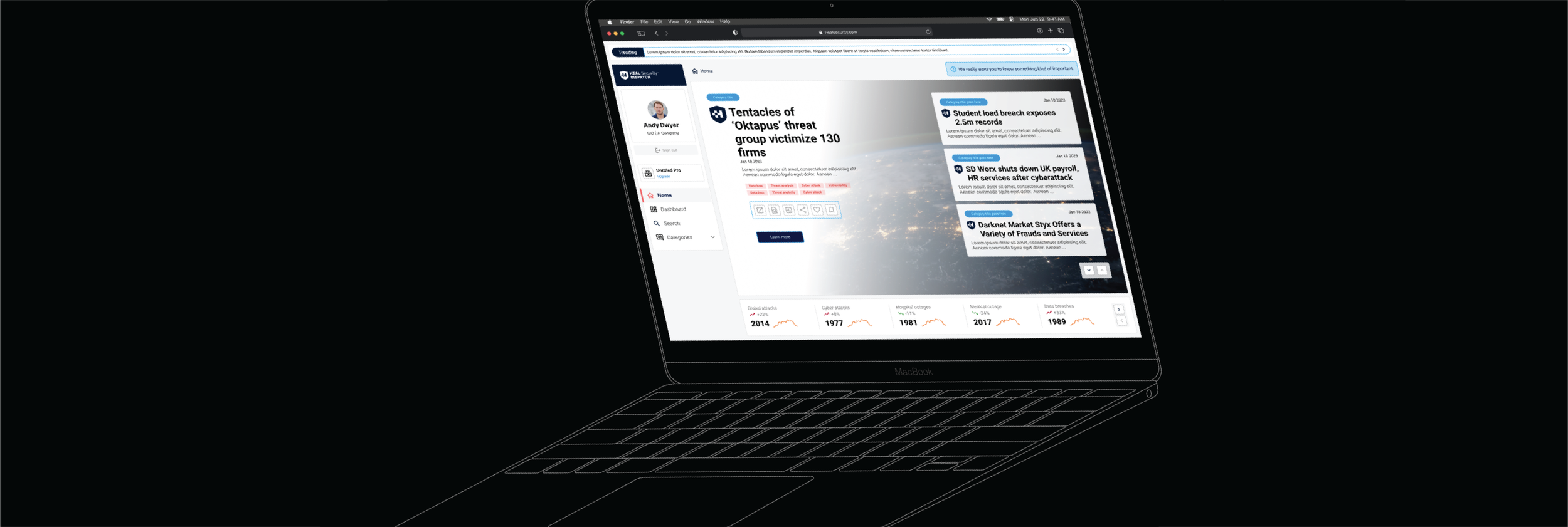
Clear Guardrails
We had permission to focus on high-leverage components only.
Working directly with leadership created three advantages:
Cultural Signal
When leadership supported the initiative, engineering saw it as strategic — not aesthetic.
Timeline Discipline
The 3-step structure kept momentum high under pressure.
Pain Points
Resistance to Change
Some engineers initially saw the system as added process.
Solution:
We showed how reusable components reduced ticket size and QA churn.
Speed vs. Craft Tension
The recurring question became:
“Is this a one-off… or a pattern?”
That discipline required leadership support to protect consistency decisions when deadlines were tight.
Documentation Overhead
With lean staffing, documentation couldn’t be heavy.
We adopted a “document as you ship” model:
Clear usage notes
Accessibility guidance
Engineering-ready specs
No unnecessary theory
Measurable Success
Within the first quarter:
28% reduction in UI-related engineering rework
22% faster feature UI delivery
35% decrease in design QA bugs
But the most powerful shift was cultural.
Design conversations moved from:
“Why does this look different?”
To:
“Is this the right pattern?”
That shift saved time every sprint.
Long-Term Value
The pattern library became:
A velocity engine
A hiring accelerant
A demo-quality multiplier
A foundation for scalable growth
More importantly, it allowed Heal Security to move fast without multiplying design debt.
Under startup constraints and a tight timeline, the 3-step leadership-aligned approach turned a fragmented UI into a scalable foundation, without slowing the business down.
Key Takeaways
Executive Alignment as a Force Multiplier
I led the effort to reposition the pattern library from a “design clean-up” to a measurable business accelerator. By partnering directly with leadership, I aligned the initiative to outcomes that mattered — velocity, rework reduction, and enterprise polish. This executive alignment ensured the work was protected under tight startup pressure and reframed design infrastructure as a strategic investment rather than overhead.
Framing Design as a Business LeverRuthless Prioritization Under Constraint
Rather than pursuing a comprehensive design system, I defined and drove a focused, high-impact V1 centered on the components causing the most friction. By anchoring decisions to usage frequency and engineering duplication, I prevented scope creep and delivered a system that immediately reduced noise. My role was to create clarity — determining what not to build was as important as what we built.
Building the Minimum Viable System Driving Adoption Through Real WorkEmbedding the System Into Delivery
I ensured the pattern library wasn’t launched as a static artifact but integrated directly into active sprint work. By partnering with engineering leads, refining components in production, and adjusting based on implementation feedback, I turned the system into a living part of product development. This hands-on integration approach guaranteed adoption and built credibility across teams.
Visual Consistency to Operational EfficiencyCreating Shared Language Across Teams
Beyond components, I introduced a shared vocabulary around patterns, spacing, states, and structure. This reduced ambiguity in critiques, sped up decision-making, and shifted conversations from subjective aesthetics to objective pattern selection. My leadership helped move the organization from reactive UI fixes to intentional product craftsmanship.